
HOME APPROACH PEOPLE MEDIA
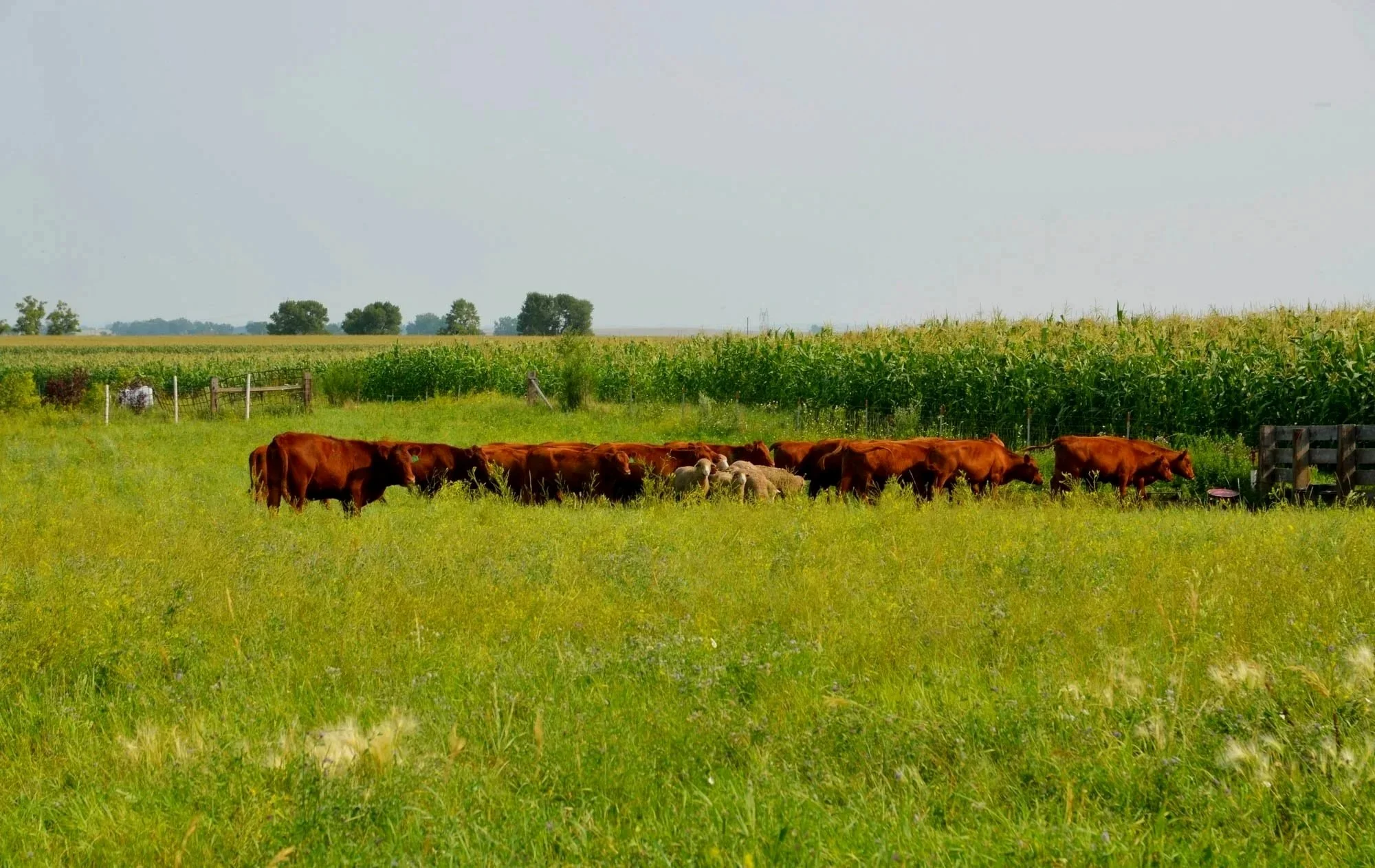
Helping Producers & Helping the Planet

Practical, Producer-Led Solutions for Sustainable Agriculture
Farmers and ranchers are the backbone of our food system and stewards of our land. RIPE helps them get the fair compensation they need to implement conservation practices, and shares tools and resources that support rural communities and the environment.
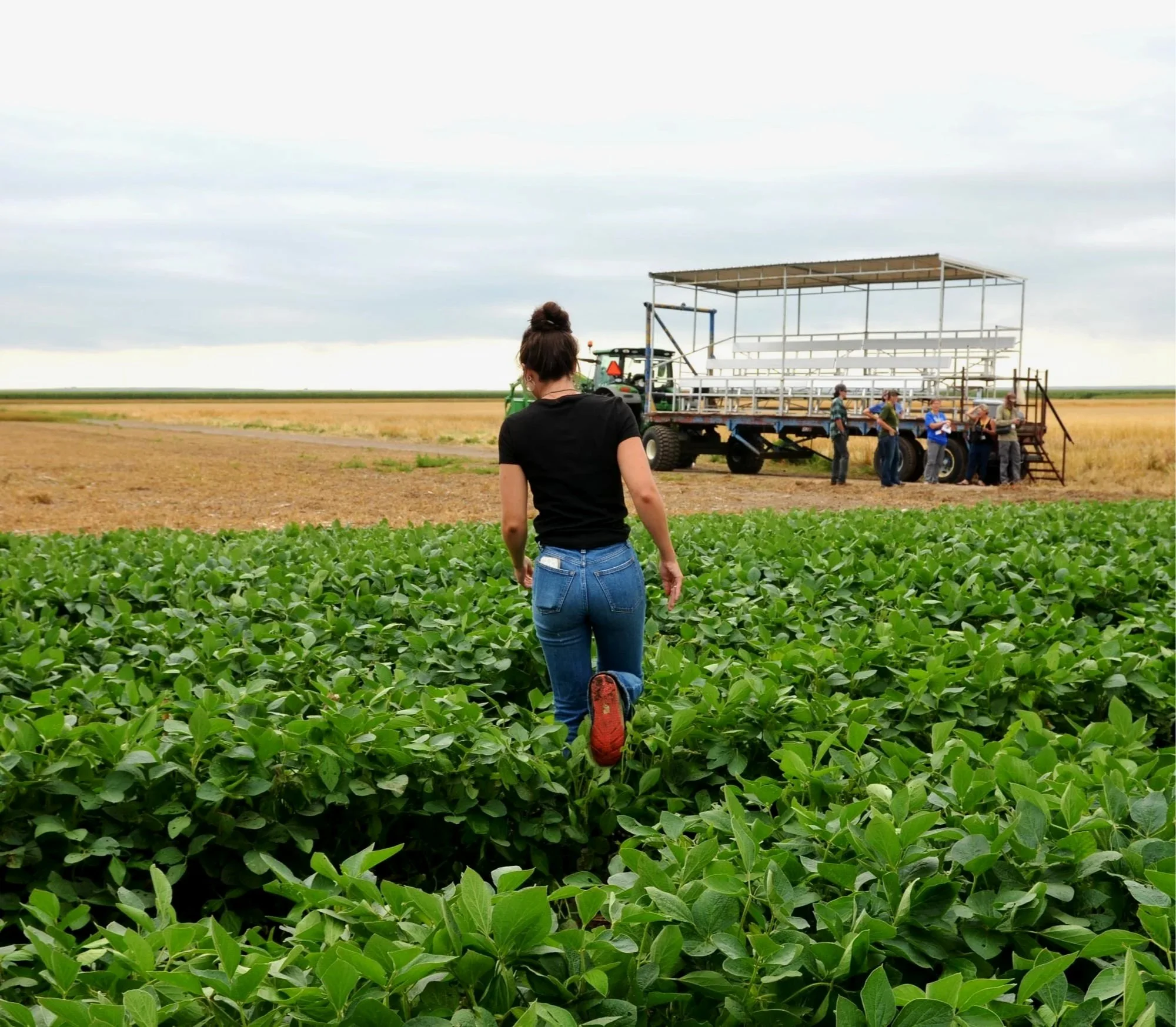
RIPE’s Roadmap
Our diverse coalition represents a wide range of geographies, farm sizes, and commodity types. This broad, producer-led network ensures our recommendations are workable on real operations and reflect the lived realities of rural America.
We maintain a strong commitment to diversity, equity, inclusion, and belonging because scaling conservation agriculture programs requires solutions that are accessible to all producers, including early adopters and historically underserved communities.
Scaling conservation agriculture the RIPE Way means prioritizing:
Bipartisan collaboration
Rural economic resilience
Fair, simple, and effective conservation incentives
Practical pathways to climate-resilient agriculture
This approach strengthens voluntary adoption nationwide and supports producers looking to responsibly manage their lands and funders looking to invest in a meaningful, scalable environmental conservation project.
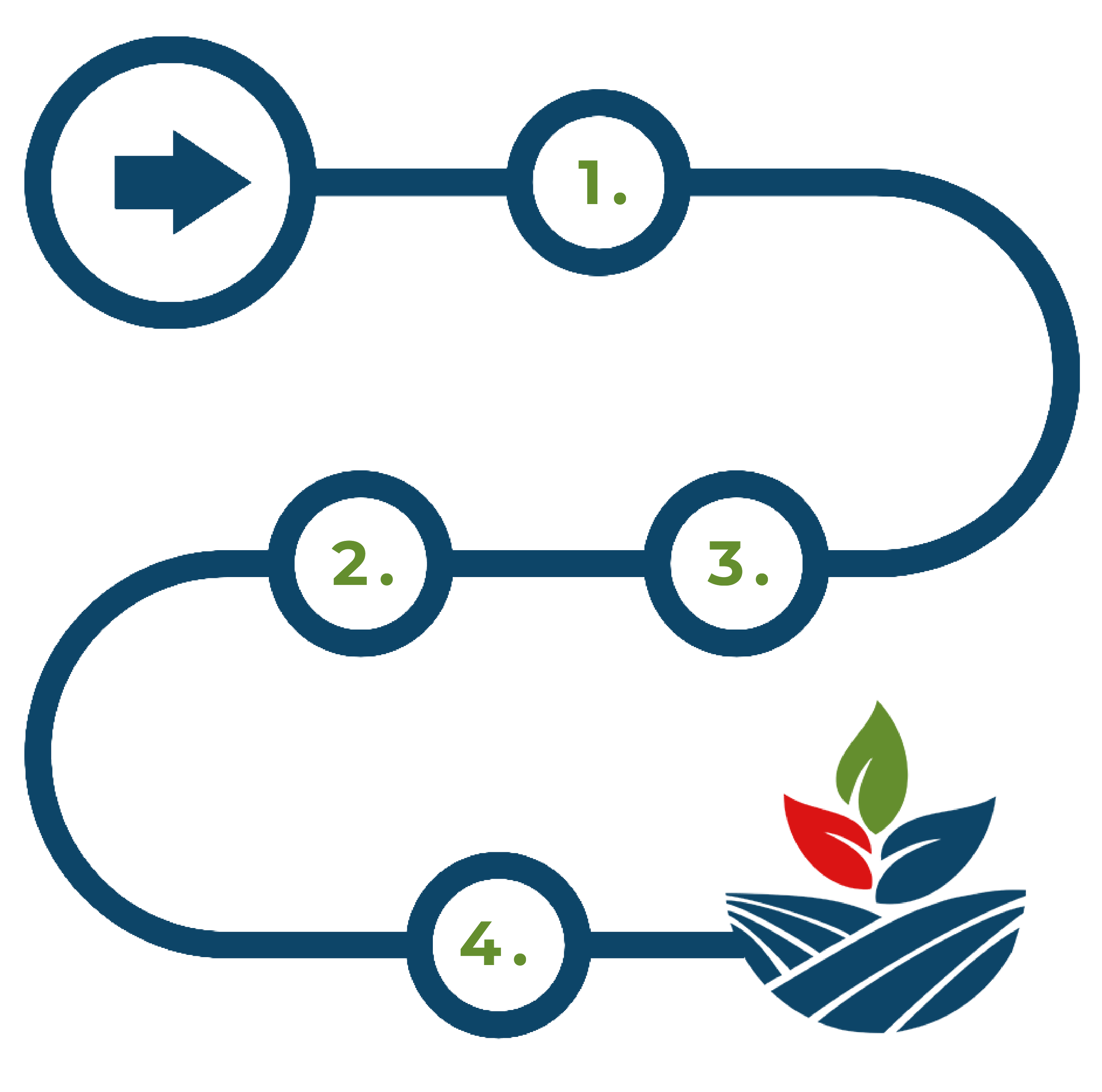
The RIPE Roadmap: Payouts For Producers
1. Identify barriers to adoption while considering the unique needs of different producer demographics
2. Use data collection to prove the public value of the practices implemented by producers
3. Share success stories and opportunities with policymakers and key decision makers to initiate change at the federal level
4. Secure financial incentives to farmers and ranchers and distribute those to producers nationwide
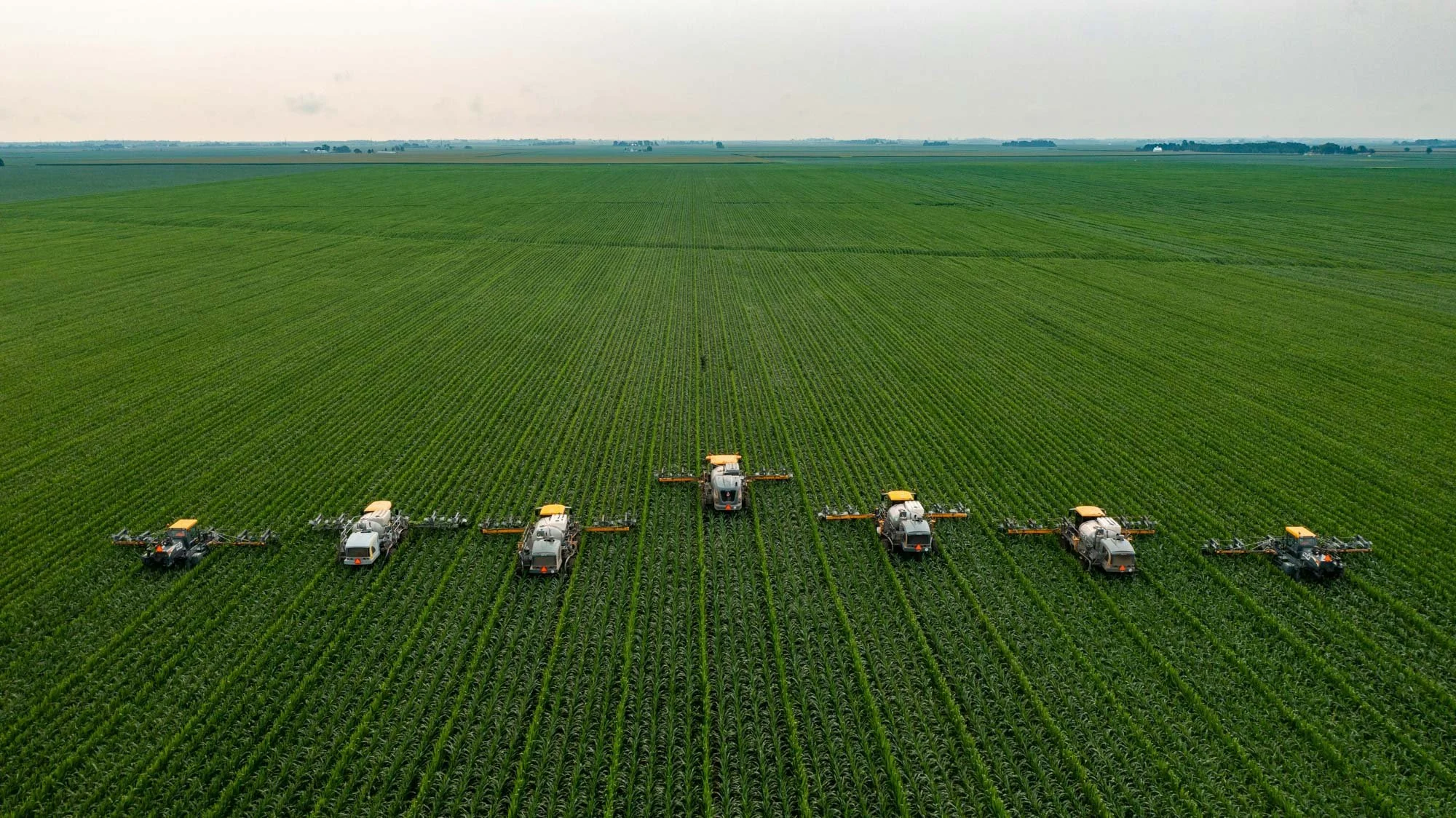
RIPE Principles for Scaling Voluntary Conservation Adoption
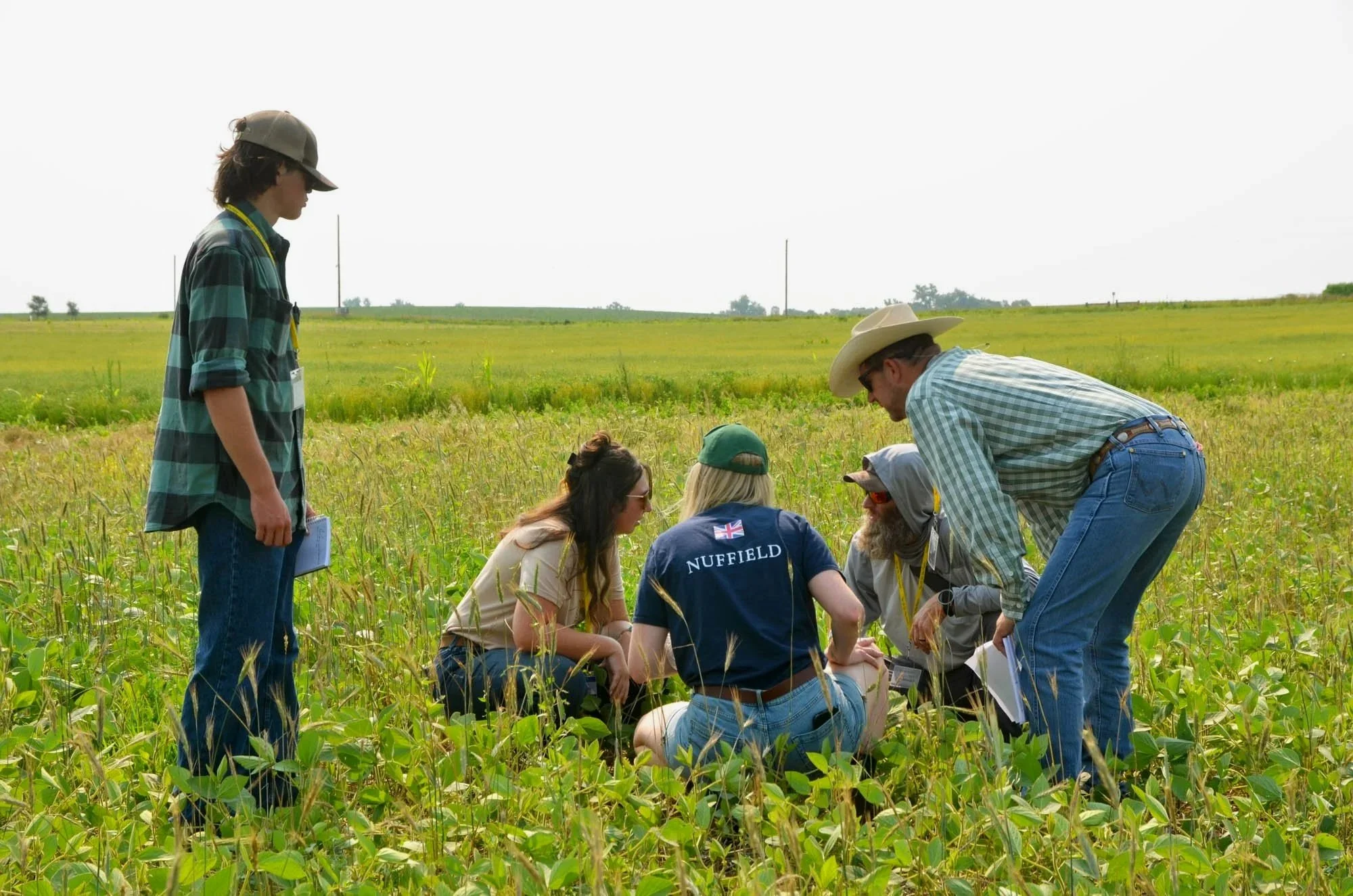
1. De-risking Voluntary Conservation Adoption
Successful conservation land management depends on fair incentives that cover:
The full cost of adoption
Ongoing management expenses
Transitional yield losses
Rising production costs
Continued environmental benefits
This ensures producers can adopt conservation agriculture principles without undue financial pressure.
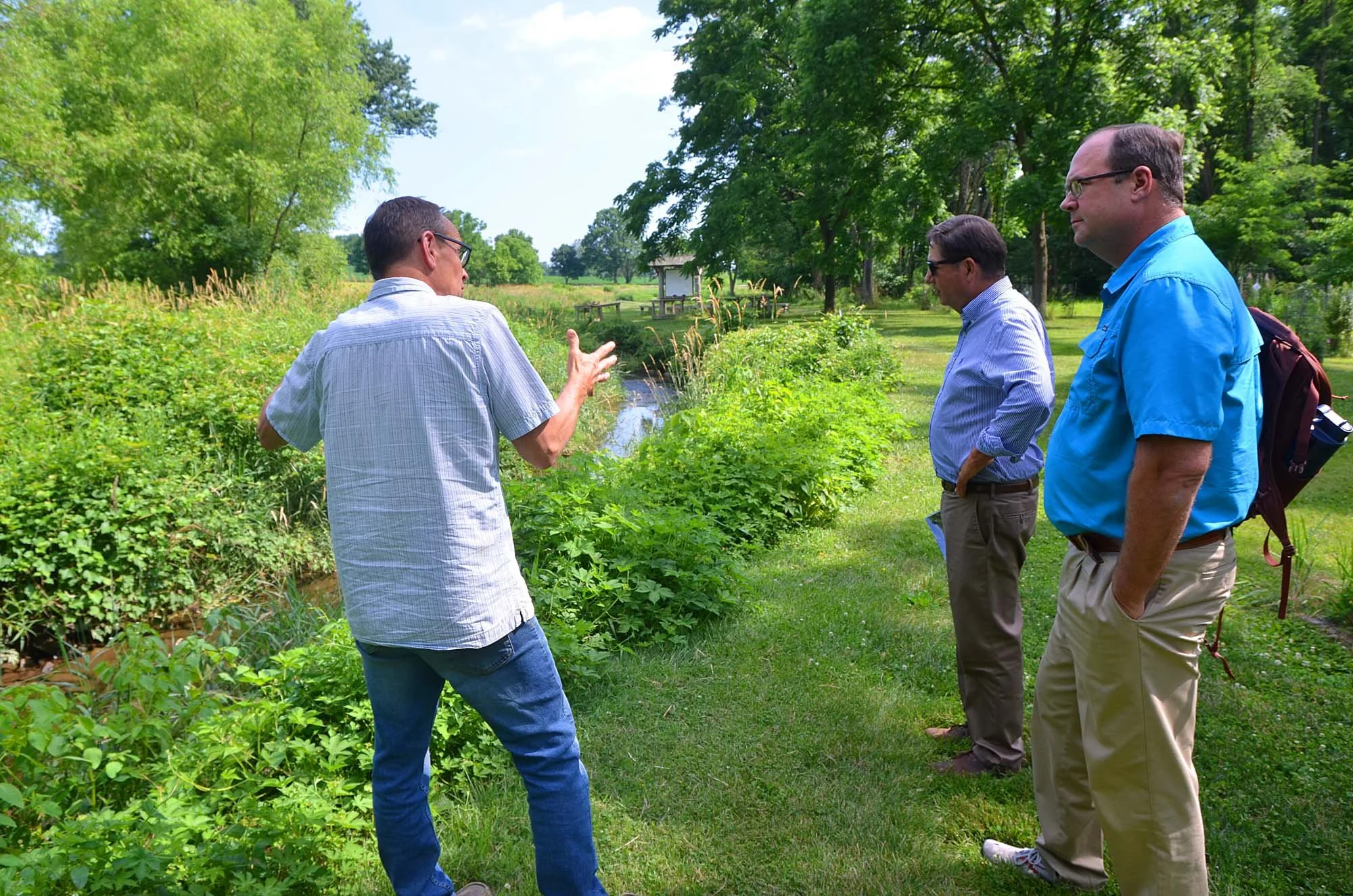
2. Making Conservation Programs Simple and Accessible
RIPE advocates for programs that reduce administrative burden and welcome all producers, including tenants, early adopters, and historically underserved communities. Clear, streamlined enrollment supports broader participation in conservation agriculture practices nationwide.
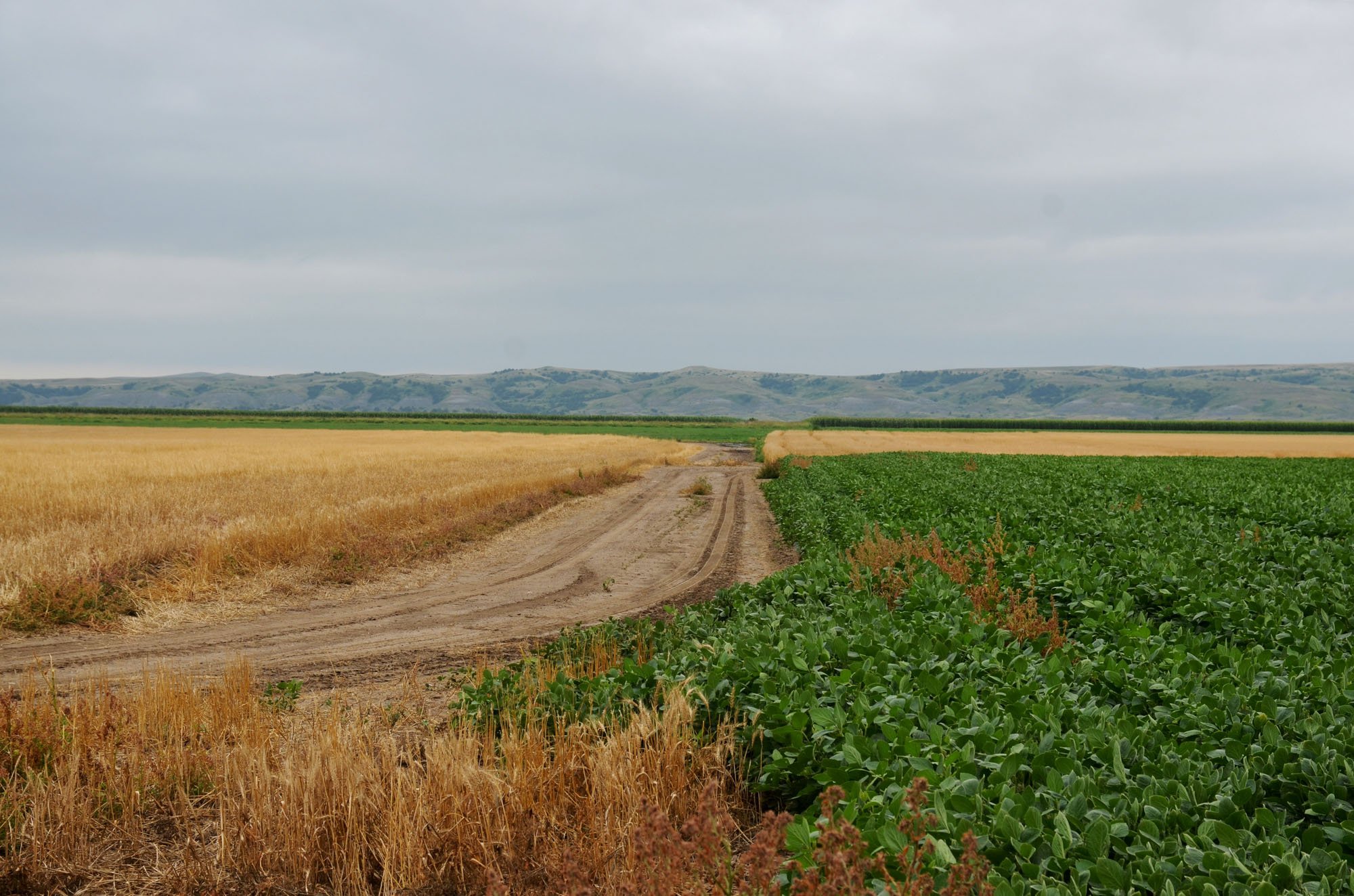
3. Ecosystem Services
Delivering impact across agriculture and the environment. Conservation agriculture improves soil structure, increases biodiversity, builds carbon reserves, and strengthens long-term soil productivity. RIPE’s methodologies help producers adopt systems that deliver lasting environmental value while keeping operations profitable.
Focus Areas
-

Nutrition
Healthier soils support more nutrient-dense crops. Conservation agriculture creates a pathway to feed a growing population with food that supports human health and natural resource conservation simultaneously.
-

Ag × Renewables
We support expanding renewable energy for agriculture in ways that work with farming, not against it. This includes approaches that mitigate land-use tension and create additional revenue opportunities for rural communities.
-

Ag × Water
Conservation practices protect and preserve water resources. RIPE champions compensation for the ecosystem services created when producers invest in water conservation, filtration, storage, and protection, a critical component of any credible environmental conservation initiative.

“Essentially, all life depends upon the soil…there can be no life without soil and no soil without life: they have evolved together.”
— Dr. Charles Kellogg
Frequently Asked Questions
-
Description text goes here
-
Description text goes here
-
Description text goes here
Stay Connected & Take Action
RIPE is a 501(c)(3) organization advancing fair value for voluntary agricultural stewardship.
Connect with us, explore our work, and help us grow a future where conservation agriculture and renewable energy benefit rural communities while protecting the planet.
HOME
APPROACH
PEOPLE
MEDIA
Stay Connected
Privacy Policy
Rural Investment to Protect our Environment (RIPE) is a 501c(3) organization working to advance a fair value for voluntary agricultural stewardship. Our leadership & coalition members are located across the United States, and we maintain our charter office in Washington DC.