Strawberries in the Sunshine State
A Sustainable Future for Florida Strawberries
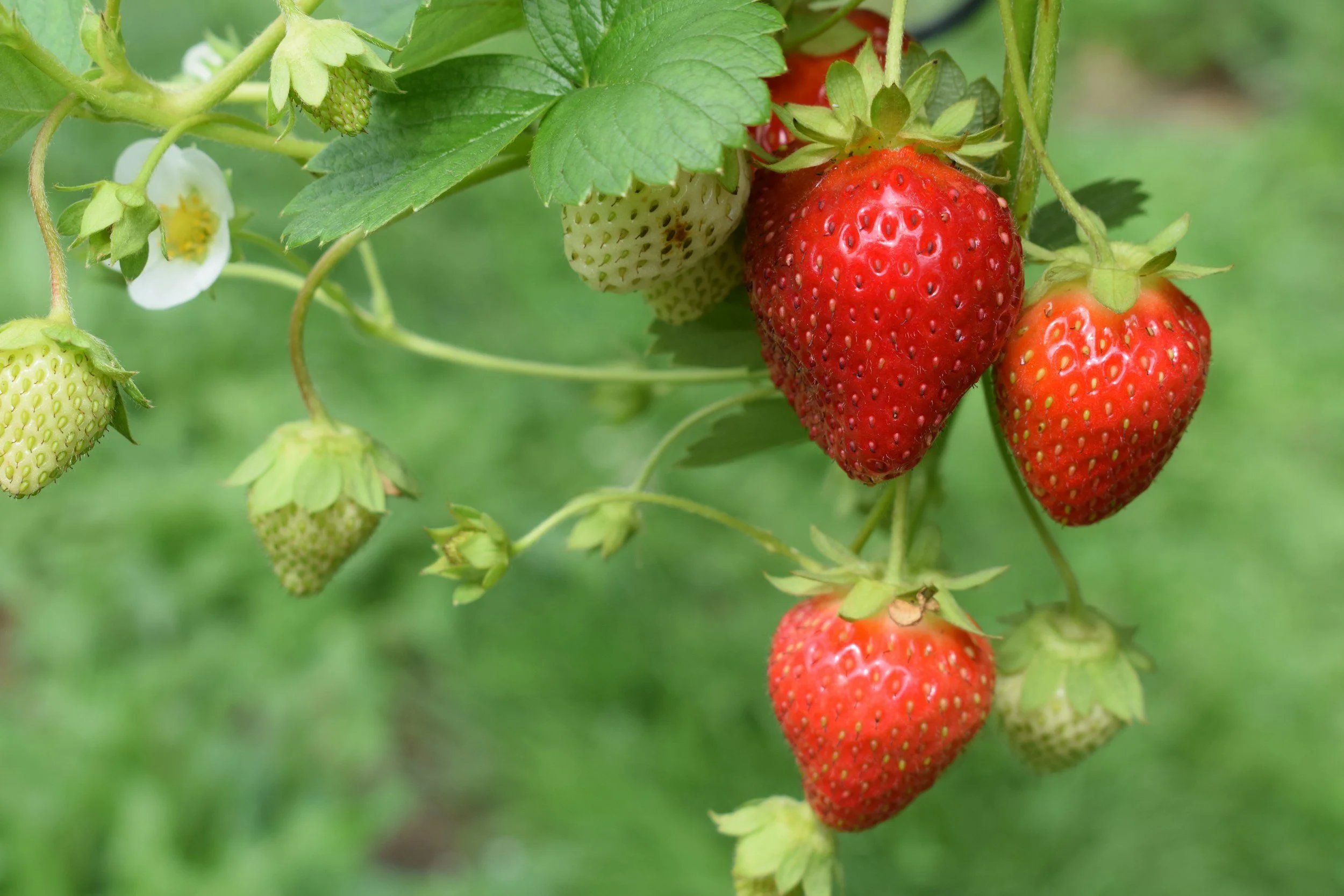
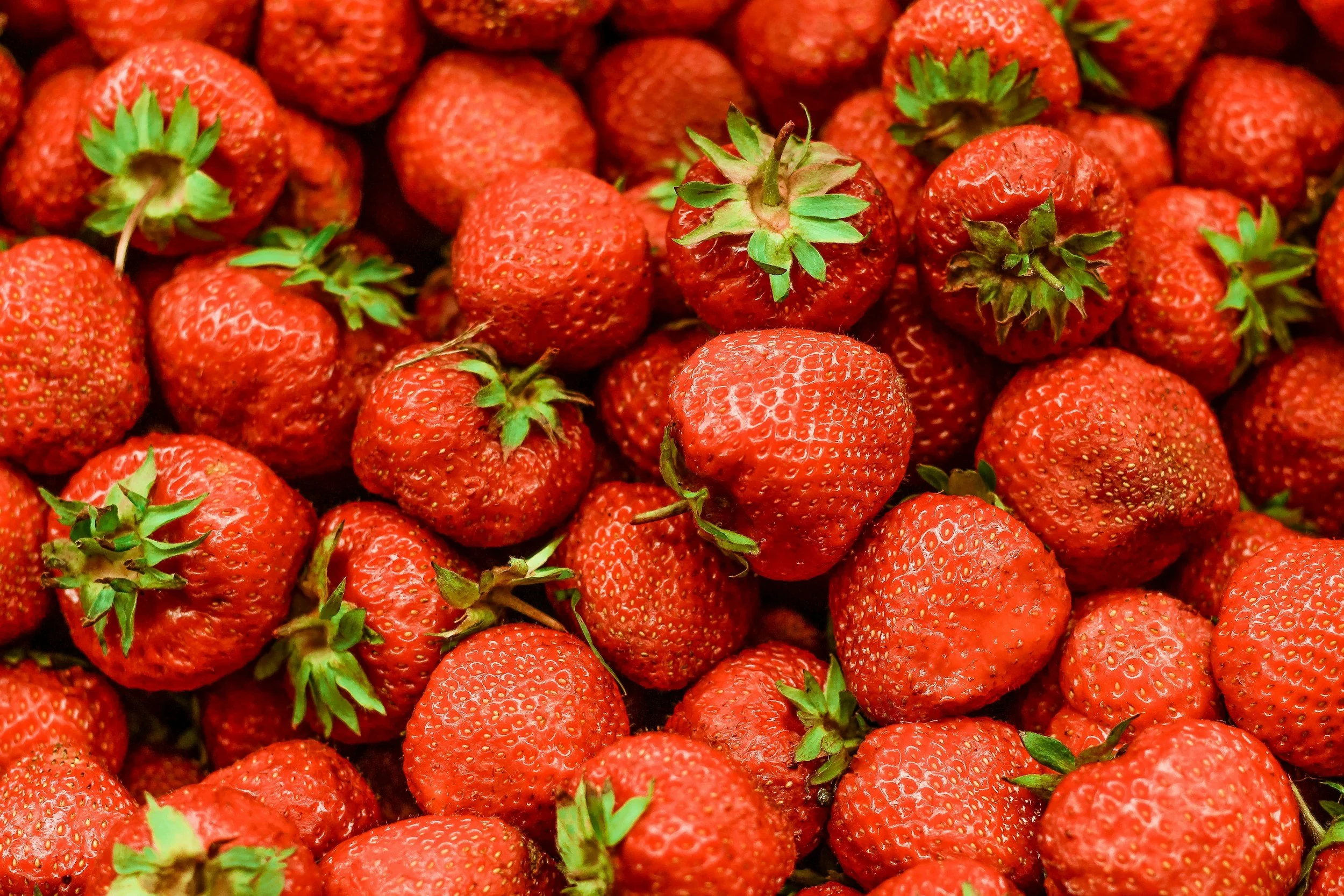
From shortcake to jam, strawberries are well-known amongst consumers, and beloved for their sweet flavor and juicy interior. However, strawberry crop growers across America are struggling more than ever with a continuously evolving industry and climate. Florida’s strawberry industry is a prime example of a challenging situation producers can relate to across the country: how to maintain quality crop production and higher yields whilst keeping up with competition and increasing environmental pressures.
Before we can look forward into the future of the strawberry industry, let’s take a moment to look back at its roots. In the early 1900s, entrepreneur and railroad magnate Henry Plant established a settlement in what would come to be known as Plant City, Florida, and later created a railroad connecting Plant City to nearby developing cities, like Tampa. This railroad allowed producers to develop a winter strawberry market, thus allowing the strawberry industry in Florida to blossom. Seemingly the perfect place for strawberry farming due to mild winters and access to ample sunlight year-round, Florida has been the winter strawberry capital of the United States for over 100 years. However, the state’s once-thriving agricultural industry is under threat due to international competition for imports, as well as changing climate conditions with consequences like rising temperatures, sea level rise and more.
The strawberry industry in Florida accounts for ~$400 million dollars annually and is ranked second in the U.S. for its production value. Hillsborough County is the top strawberry-producing county in the state, with over 11,000 acres dedicated to the fruit. Industry-wide, Hillsborough County ranks as the third largest producer of food and related services within the state, with a value of around $448 million in 2023.
Despite being a key economic driver for the state, strawberry production in Florida is under threat, challenged by environmental stressors and economic factors alike. According to Ask IFAS at UFL, the top challenges facing the strawberry industry are competition with Mexico, government regulations and requirements, labor shortages, weather risk and uncertainty, pest and disease mitigation, and variable quality of fruit. Just recently a freeze event in Florida in early 2026 resulted in irreparable damages, the initial estimates of which included $3.1 billion in agricultural losses, with strawberries accounting for $307 million of those losses. Eighty percent of the residual strawberry harvest was lost due to this extreme weather event. As extreme, unpredictable weather events become more frequent, we need to empower producers to be more resilient, and conservation and regenerative agriculture could be the key.
Planted from September through November, and then harvested from December through May, strawberries in Florida are harvested during the early season, allowing them to remain competitive in the industry throughout the year. Breeding and technology innovations are factors that contribute to this earlier planting and longer growing season. However, with extreme weather events becoming more common in the South, the growing season for strawberries is adversely impacted. Unpredictable disruptions and changes to the growing season can turn anticipated profits from extended growing seasons into devastating losses due to crop damage and increasing risk management costs. Healthy soils built through mindful conservation practices help retain moisture during drought, absorb more water during high precipitation events, and reduce erosion and nutrient loss compared to unhealthy soils. Investing in soil health improves farm resiliency and reduces the impact of climate disruptions.
Let’s take a look at two of the top environmental pressures straining the strawberry industry in Florida:
Seen as one of the biggest threats to the strawberry crop, hurricane-related losses are projected to increase from the current figure of $18.5 billion to $19.9 billion by 2052, with Florida shouldering more than half of these losses. Hurricanes can also accelerate the presence of fruit rot and disease through patterns of heavy rainfall, adversely impacting strawberry nurseries. As a whole, hurricanes can severely delay planting dates and create unsuitable conditions for laying plastic beds or fumigating, two foundational techniques for cultivating commercial strawberry plants.
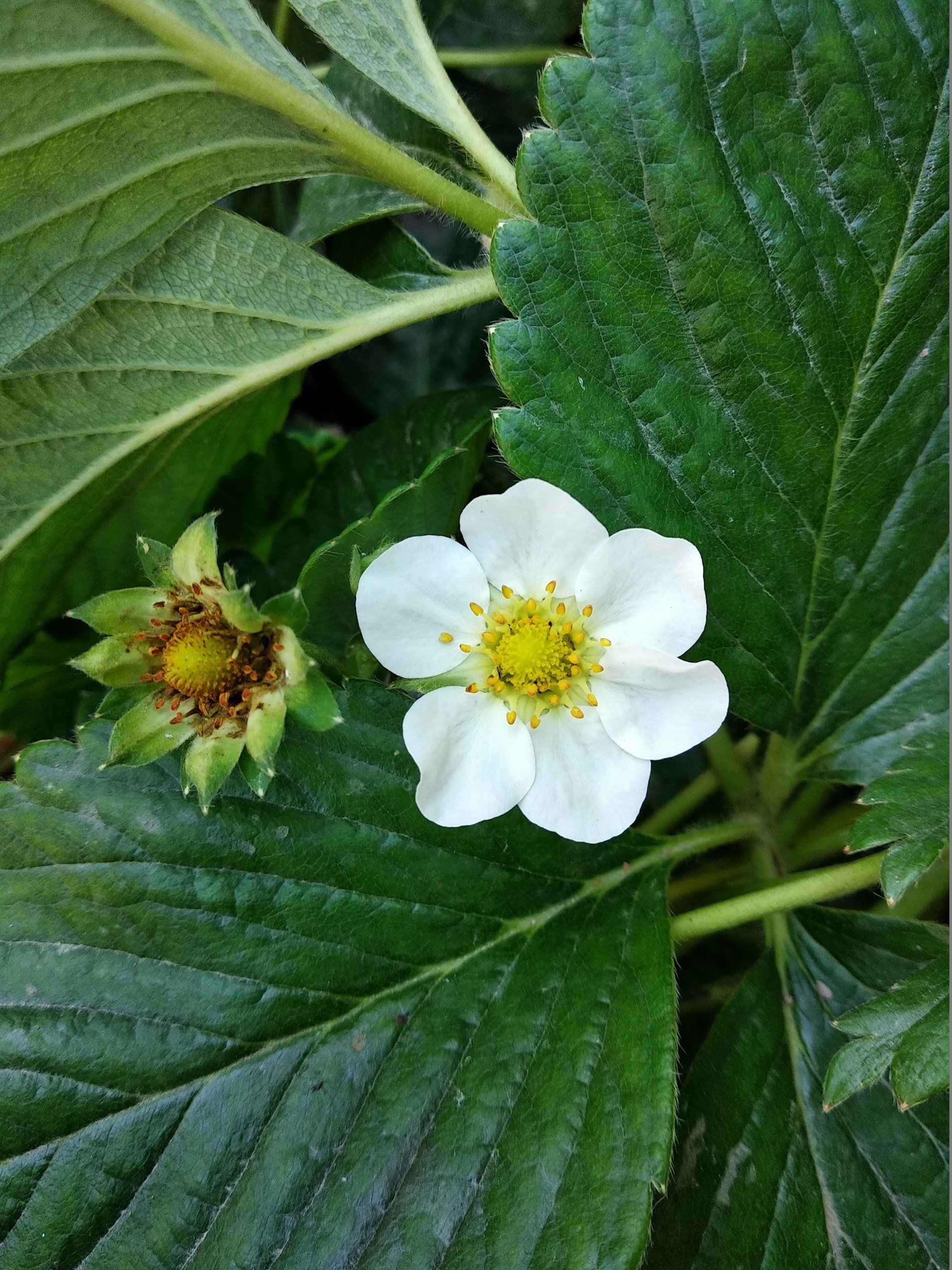
Temperatures above 85oF are deadly for strawberry crops, and out-of-season days that steadily remain in this deadzone are known as “killing days.” In Hillsborough County, the sum of these “killing days” are expected to increase by 50% by mid-century. Producers in this region can expect an 11% decline in strawberry crops and a 17% decline in early yields by 2050 associated with these rising temperatures. This decline in yield can affect the industry majorly, as harvesting during the early season is what gives Florida a competitive edge over other strawberry producers, like Mexico.
As Mexico asserts itself as one of the top strawberry producers worldwide, Florida is struggling to keep up. Record-level imports of strawberries from Mexico since 2012 have significantly lowered revenue for the Florida strawberry industry. To remain competitive with cheaper strawberries coming out of Mexico, Florida producers have had to lower prices on their crops. This lowering of prices has proved difficult due to labor shortages caused by stricter government regulations and unreliable wages, all amounting to losses in revenue. Through a scenario analysis, if factors remain constant, it is predicted that a 25% uptake in imports from Mexico could result in a $2,500 per acre decrease in revenue for the Florida strawberry industry.
In addition to these aforementioned environmental and economic pressures, strawberries are an inherently vulnerable crop. Strawberries are extremely sensitive to changes in temperature, carbon dioxide (CO2), air pollution, solar radiation, and water availability. With too much or too little of any one of these variables, the crop can be under threat of poor root development, decreased size and yield, a ‘watery’ flavor, and low sugar content. Larger quantities of light or higher temperatures can cause fruit bronzing, which can harm the surface of the strawberry and lower its overall quality. Similarly, higher daytime and nighttime temperatures can affect flower induction, which is extremely heat sensitive and can cause issues with strawberry growth. Changes in temperature and rain patterns can also breed the perfect environment for diseases to infect strawberries. Commonly grown low to the ground, strawberry crops become extremely susceptible to soil-borne diseases, rot from too much exposure to moisture, fungal spores, and mud splash from rain. Because of their inherent vulnerability, strawberries stand to benefit greatly from regenerative farming and conservation efforts that make them more resilient to changing conditions.
Transitioning to conservation farming practices that improve soil health and support ecosystem services may be key to helping Florida strawberry producers remain profitable, competitive, and environmentally sustainable. Such practices fall under 3 different categories: organic, regenerative, and climate-smart.
Organic farming practices mainly center around inputs, and reducing the use of what are deemed ‘non-organic’ inputs
Regenerative agricultural practices focus more heavily on tangible changes in soil, specifically dealing with improving soil health
Climate-smart practices emphasize improving climate resiliency and lowering greenhouse gas emissions.
Strawberries grown organically may come with a higher price tag for producers, but the juice is worth the squeeze - organic farming methods can create benefits such as less dependence on inputs, longer shelf lives, and better taste. One recent study concluded that when strawberries are grown with synthetic inputs, total sugar content and distribution within the fruit is disrupted, causing an increase in acidity and a decrease in flavor quality. In 2024, it was estimated that the cost to produce organic strawberries was $2.25 higher per tray than conventionally-grown strawberries. Furthermore, growing organically requires a certification and compliance with regulations for a mandatory three-year period, and often producers do not have the luxury of time to earn the certification.
More research is needed to understand the fluctuations in yield, inputs and similar factors when comparing conventional methods of farming to evolving methods like organic- and regenerative-centered approaches, but emerging research is promising. When compared to conventionally-grown strawberries, producers can see consumer prices for organic strawberries running 40% to 50% higher on average. Demand for organically-grown strawberries is consistently higher than the supply, which allows producers to earn a greater return for their investment as they can then raise price premiums to compensate for a lower supply.
To combat struggles within the strawberry industry, producers have multiple solutions they can implement to mitigate climate change, competition with other countries, and higher production costs.
Strawberry breeding programs allow producers to overcome some of the challenges of climate change by creating strawberry varieties with higher yields, that are disease-resistant, and have a longer shelf life, all while maintaining an overall pleasing aroma and taste. This occurs through a process that pinpoints a specific genome that allows scientists to determine specific genes, such as one that can protect the crop from various diseases. Through creating these different varieties, producers can rely less on synthetic inputs for preventing pest interference or disease, improving soil health, and promoting sustainable strawberry production.
Regenerative agricultural practices can mitigate the effects of climate change and create other important environmental benefits.
One such method is companion planting, which is a practice involving growing different types of crops around each other to help improve plant growth. This practice addresses issues such as soil erosion, pests, and soil-borne diseases through planting crops such as onions around the perimeter of strawberry fields to hold soil in place and prevent sand from flying on or off crops. An allelopathic traditional technique, companion planting aids in improving overall crop health and increasing yields. By implementing this practice, there is a possibility of multiple streams of revenue for the producer, as they could sell all the crops planted, including those that improve strawberry production.
Another conservation practice that can be used with strawberries is crop rotation, which is the cultivation of different crops in a particular order within the same field. For example, rotating strawberries with other crops such as broccoli, a crop with natural anti-fungal properties, can aid in warding off pathogens from future crops in a process called biofumigation. Crop rotation can be very beneficial to not only the strawberry crop but the health of the farm overall.
The benefit of utilizing regenerative agricultural practices for producers is that it provides a roadmap for finding a middle ground for maintaining the production of food whilst prioritizing sustainability. While implementing these practices may incur short-term losses, through investment into equipment or temporary low yields for example, over time these practices can improve cost-effectiveness through returns on investment that can range from 15-25%, typically seen within three to five years of implementation. Additionally, by using more regenerative practices, producers can lower production costs by an estimated 20-50% over time. These lower production costs result partially from less inputs, such as fertilizer and pesticides. As the number of synthetic inputs decreases, natural processes, beneficial actors (such as certain insects or wildlife), and diverse crops will take over to help improve the ecosystem’s resiliency.
Specifically within the field of the strawberry industry, regenerative agriculture can lower water footprint by 50% on average, decrease water pumping costs, and mitigate the risks of pests and diseases that are linked to an overexposure to moisture. Furthermore, regenerative agricultural practices can be a viable method for mitigating fungal plant diseases through improving the crop’s disease resistance.
Producers do not have to make the transition to regenerative agriculture on their own, as there are many government-funded programs that provide incentives to producers for implementing at least one regenerative practice:
Similarly, there is crop insurance that is available to strawberry and specialty crop producers, which can aid in protecting yield and revenue gained from harvesting these crops. Learn more about different programs below:
Production and Revenue History (PRH) Plan
Available to select counties in California and Florida, and allow producers to choose between revenue or yield protection.
While incentivized programs are a great start in encouraging producers to switch to conservation practices such as those listed above, oftentimes these programs prove to be insufficient in supporting producers. This problem is one that RIPE works hard to fix, demonstrated in our mission, which is to secure fair compensation for farmers and ranchers of all sizes and commodity types for their voluntary conservation practices. Furthermore, RIPE works to create solutions that are accessible and inclusive to all producers, particularly those who are historically underserved. This is a product of bipartisan collaboration, accessible pathways to implementation, and centering producer voices.
Citations
“Breaking Free: The Financial Realities of Moving from Conventional to Regenerative Farming.” (n.d.). https://soillearningcenter.com/wp-content/uploads/2025/03/Costs-of-Changing-from-Industrial-to-Regenerative-Agriculture.pdf
Cavigelli, M. (2024). The Economics of Regenerative Agriculture : USDA ARS. Usda.gov. https://www.ars.usda.gov/oc/utm/the-economics-of-regenerative-agriculture
Fruit and Vegetable Production - University of Florida, Institute of Food and Agricultural Sciences - UF/IFAS. (n.d.). https://sfyl.ifas.ufl.edu/hillsborough/agriculture/vegetableproduction/
Guan, Z., Wu, F., & Whidden, A. J. (2025b, January 21). FE972/FE972: Top challenges facing the Florida Strawberry Industry: Insights from a comprehensive industry survey. https://ask.ifas.ufl.edu/publication/FE972
Guan, Z., Suh, D. H., Khachatryan, H., & Wu, F. (2018). Import Growth and the Impact on the Florida Strawberry Industry. EDIS, 2018(1). https://doi.org/10.32473/edis-fe1022-2017
Kiniry, M. (2023, January 24). The history and science behind Florida’s long-running strawberry industry. WGCU News | PBS & NPR for Southwest Florida; WGCU. https://news.wgcu.org/show/gulf-coast-life/2023-01-24/the-history-and-science-behind-floridas-long-running-strawberry-industry
Liu, Y., Liu, R., Deng, Y., Zheng, M., Yu, S., Nie, Y., Li, J.-Q., Pan, C., Zhou, Z., & Diao, J. (2023). Insights into the Mechanism of Flavor Loss in Strawberries Induced by Two Fungicides Integrating Transcriptome and Metabolome Analysis. Journal of Agricultural and Food Chemistry, 71(8), 3906–3919. https://doi.org/10.1021/acs.jafc.2c08157
Organic strawberries bring growers higher prices than conventional berries | Economic Research Service. (2023). Usda.gov. https://ers.usda.gov/data-products/charts-of-note/107483
Regenerative Agriculture Statistics | Interesting Stats of 2025. (2025, January 20). Keystone Bio Ag. https://www.keystonebioag.com/article/regenerative-agriculture-statistics/
Sumner, D. (n.d.). Organic and Non-Organic Strawberries: Comparing Farm Costs and Returns Background and Data. Retrieved July 1, 2026, from https://s.giannini.ucop.edu/uploads/pub/2026/05/11/v29n4_2_dQ8Nl83.pdf
Transitioning to regenerative agriculture: The case of strawberries – Nuup. (2023). Nuup.org. https://nuup.org/en/transitioning-regenerative-agriculture-strawberries/
UNDERSTANDING CLIMATE CHANGE IMPACTS ON FLORIDA STRAWBERRIES AGRICULTURE. (2023). https://npr.brightspotcdn.com/ea/7b/e63b7d494379a0b0d9345cd250e3/edf-florida-fruits-veg-2023.pdf
University of Vermont. (n.d.). Www.uvm.edu. https://www.uvm.edu/vtvegandberry/factsheets/rotateberries.html
2026, March 4. USDA issues disaster declaration for Florida in wake of crop damage by 2026 freeze. WGCU News | PBS & NPR for Southwest Florida; WGCU. https://www.wgcu.org/agriculture/2026-03-04/usda-issues-disaster-declaration-for-florida-in-wake-of-crop-damage-by-2026-freeze