
HOME APPROACH PEOPLE MEDIA
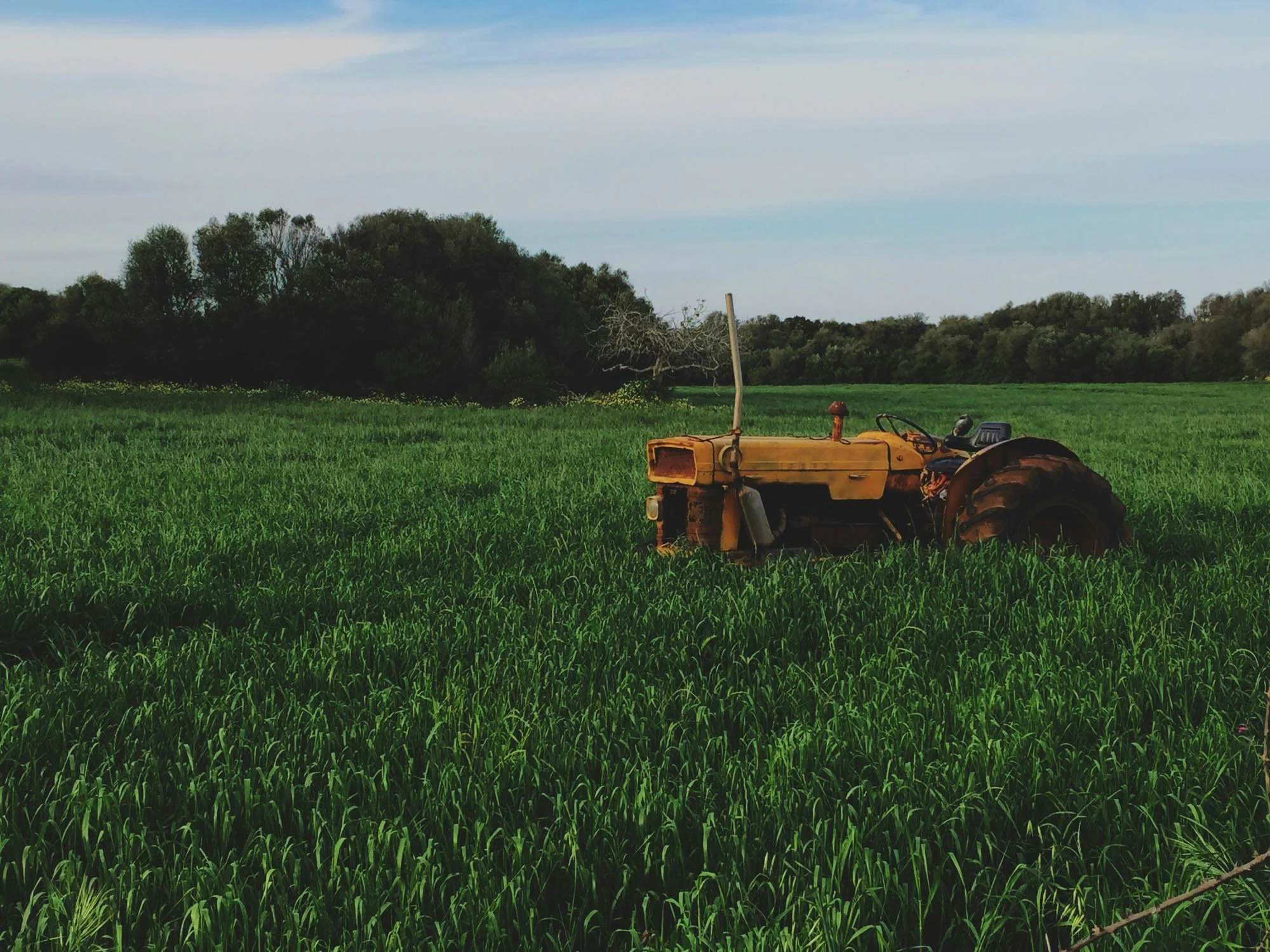
Advancing Practical, Bipartisan Policies that Support Producers

Advancing Regenerative Agriculture Policy
RIPE works to advance policies that help farmers and ranchers adopt regenerative and conservation practices while maintaining strong, productive operations. Through bipartisan collaboration and real-world experience from our coalition, we develop solutions that reduce barriers to conservation adoption and ensure producers are fairly recognized for the environmental benefits they create.

RIPE’s Theory of Change
Modern agricultural systems can place significant pressure on soil health, depleting the natural resources that farmers and ranchers depend on for long-term productivity. While conservation agriculture can improve both farm income and ecosystem health, the transition often requires time, resources, and upfront investment that many producers cannot easily absorb.
RIPE's Theory of Change centers on a clear mechanism: using federal policy as a lever to drive private-market recognition and reward for regeneratively grown commodities. When policy creates the right incentives, markets follow. And when markets reward regenerative production, more farmers and ranchers can afford to make the transition.
Building a Resilient Agricultural System
In practice, this means:
Reducing financial and operational barriers to conservation adoption
Encouraging markets to reward regenerative production
Supporting producers during the transition to soil-building practices
Aligning public investment with measurable ecosystem benefits
This approach helps create a system in which conservation practices strengthen both farm profitability and ecosystem health, building a more resilient agricultural economy for generations to come.

Bipartisan and Scalable by Design
Bipartisanship is the foundation of RIPE's policy approach. The production of food, fiber, and fuel on American soil affects communities across every state and every political affiliation. Durable agricultural policy must have support from both sides of the aisle, and RIPE works intentionally to build and maintain that support.
We ensure diverse political representation on our Board of Directors and among the sponsors of the policy platforms we develop. This is not incidental to our work. It is central to it.
RIPE’s Milestones
RIPE's work has steadily expanded since its founding, driven by collaboration with producers, policymakers, and partners across agriculture.

The Farm Bill
Lorem ipsum dolor sit amet, consectetur adipiscing elit, sed do eiusmod tempor incididunt ut labore et dolore magna aliqua. Ut enim ad minim veniam, quis nostrud exercitation ullamco laboris nisi ut aliquip ex ea commodo consequat.

The USDA Climate-Smart Commodities Grant
RIPE's first major milestone came with the award of an $80 million Climate-Smart Commodities Grant from the USDA. Through this initiative, RIPE partnered with Virginia Tech to administer grants to producers in Arkansas, Virginia, North Dakota, and Minnesota as part of a pilot program. This effort led to the formation of The Alliance to Advance Climate-Smart Agriculture, a collaborative initiative supporting producers transitioning to climate-smart and regenerative practices. RIPE continues to support the Alliance by contributing research and participating in strategic discussions, particularly around ecosystem services valuation.

The RIPE Act
RIPE's most significant current policy achievement is the development of the RIPE Act, a legislative framework that proposes direct compensation for farmers and ranchers who generate measurable ecosystem benefits through regenerative practices. This represents the clearest expression yet of RIPE's Theory of Change in action: federal policy designed to unlock market and public investment in regenerative agriculture at scale.

RIPE’s Policy Priorities
Building practical solutions for producers and the environment
RIPE's policy priorities focus on removing barriers to conservation adoption while ensuring solutions remain practical and scalable for producers of all sizes and across all commodity types.
Our current priorities include:
Principles and Practices Framework
A policy framework outlining the core principles that guide voluntary conservation adoption across American agriculture. Developed with input from our Steering Committee, this framework reflects the on-the-ground experience of farmers and ranchers nationwide and has informed RIPE's advocacy for inclusion in Farm Bill legislation.
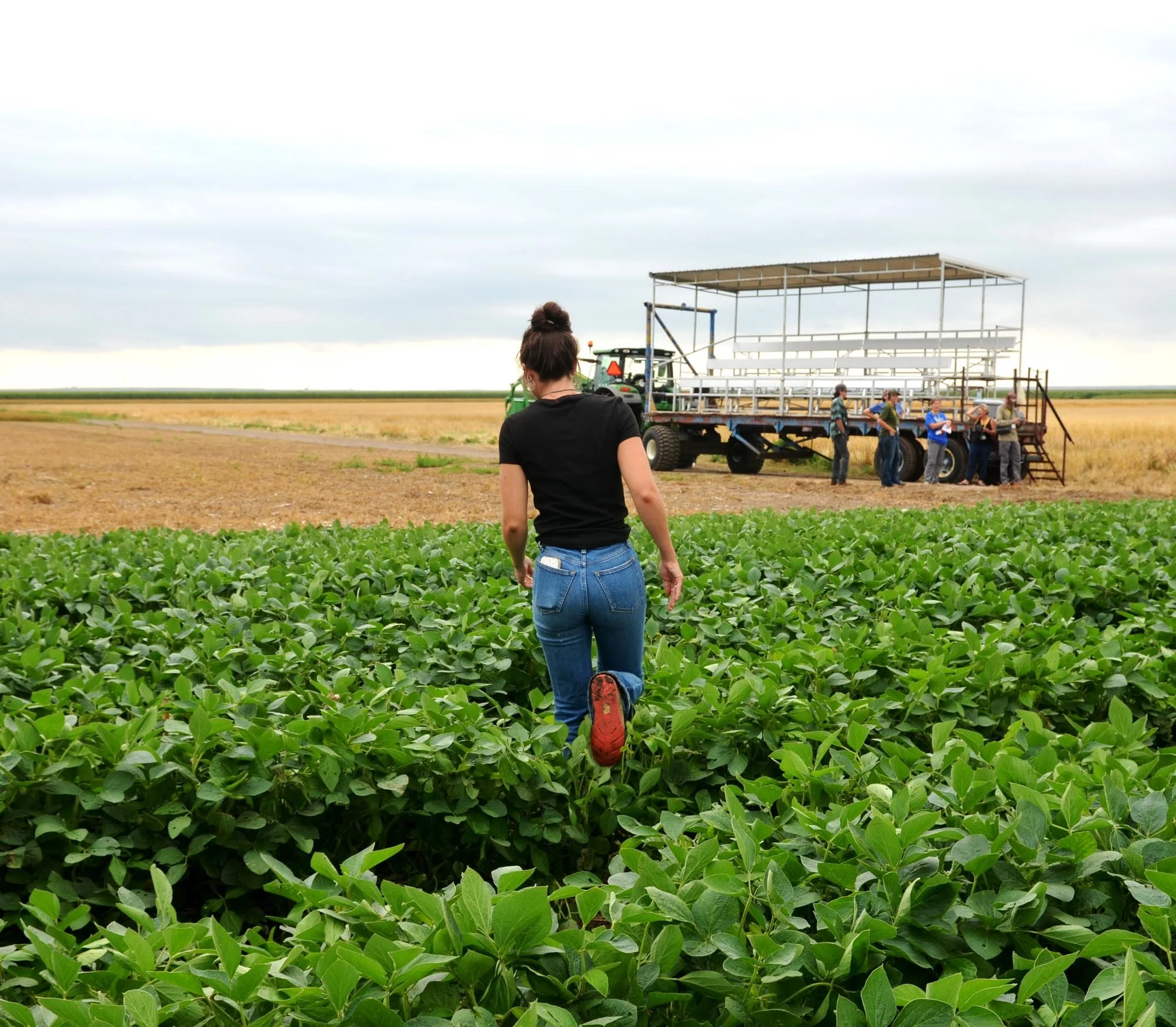
The RIPE Act
Legislation designed to recognize and reward the ecosystem services produced through regenerative agriculture practices, providing a clear and fair pathway for farmers and ranchers to be compensated for the environmental value they create.
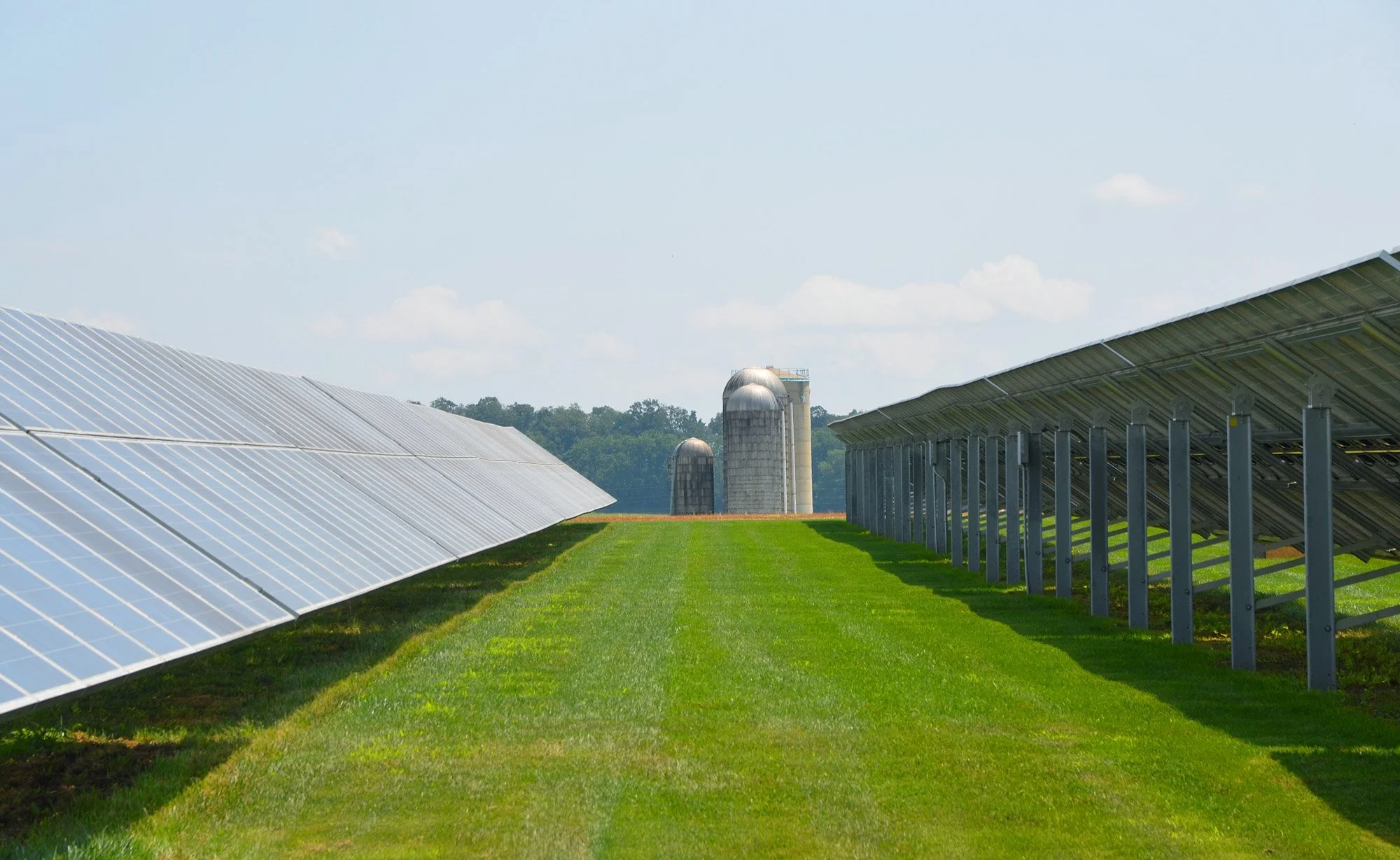
Renewable Energy for Agriculture
RIPE supports expanding renewable energy opportunities that work alongside agricultural production while strengthening rural economies. We are currently finalizing a position paper on this topic that will outline our full recommendations. Check back soon for the complete document.

Our policies are designed to work for:
Farms and ranches of all sizes
All commodity types
Diverse geographic regions
Producers at different stages of conservation adoption
By prioritizing scalable solutions, we help ensure that conservation programs remain accessible to the full diversity of American agriculture, not just those who are already well-resourced or well-connected.
Understanding U.S. Agricultural Policy
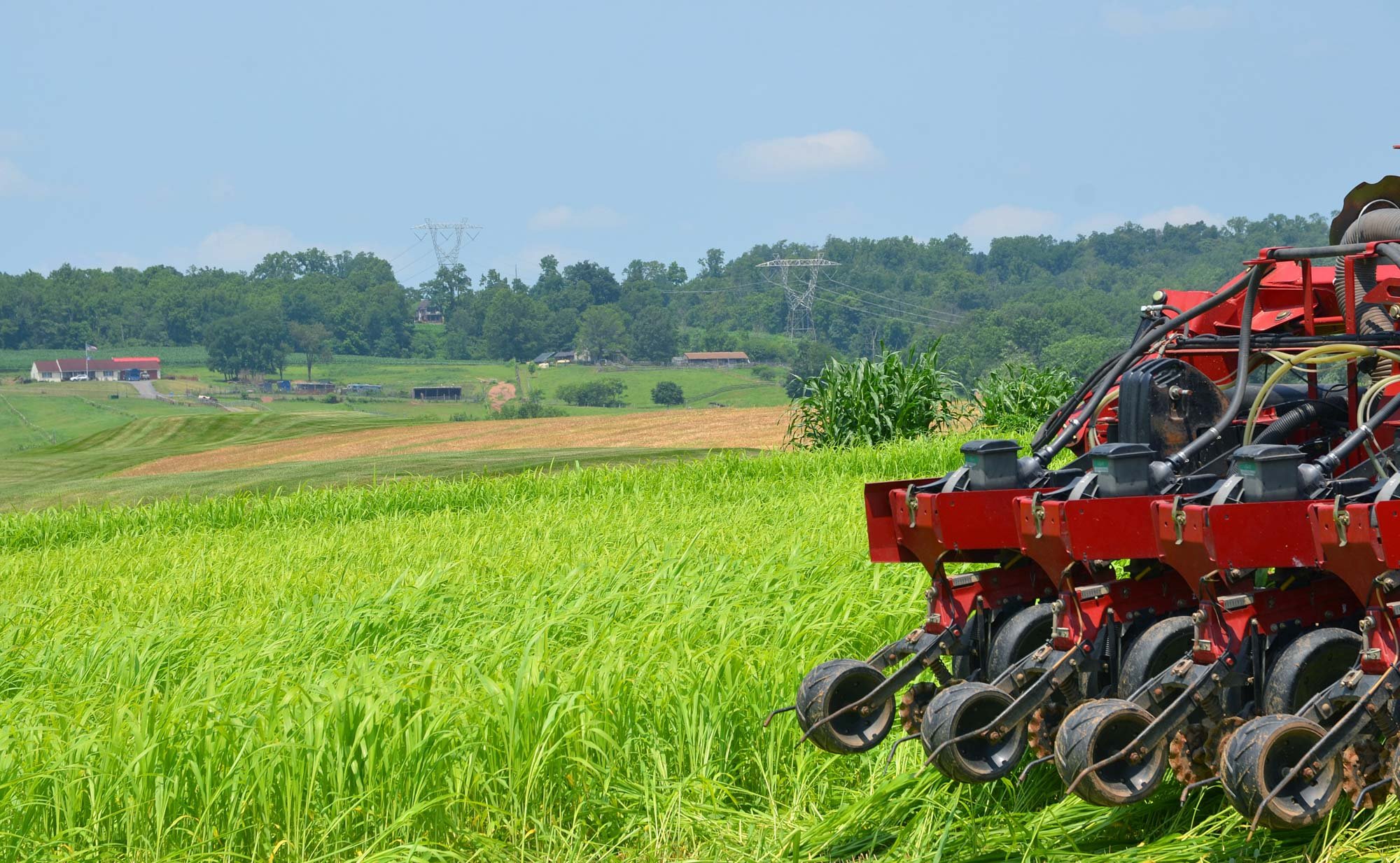
A Brief History of the Farm Bill
The Farm Bill has long been a central pillar of agricultural policy in the United States. First passed during the Great Depression to stabilize farm income and ensure a reliable food supply, it has evolved significantly over the decades to encompass conservation programs, rural development, nutrition assistance, and environmental stewardship initiatives.
Today, conservation programs within the Farm Bill play a critical role in supporting soil health, water protection, and climate-smart agriculture. They represent one of the most significant opportunities for federal policy to directly support the kind of transition RIPE's Theory of Change envisions.
It is worth noting that a new Farm Bill is currently overdue. Reauthorization is a long and complex legislative process, and the conversation about what the next Farm Bill should include is actively underway. RIPE is contributing to that conversation directly.
With guidance from our Steering Committee, RIPE has developed policy proposals designed for potential inclusion in Farm Bill frameworks, including the principles outlined in our Principles and Practices framework. While the Farm Bill is a major focus of our policy work, it is one part of a broader legislative agenda that spans multiple policy areas affecting American farmers and ranchers.
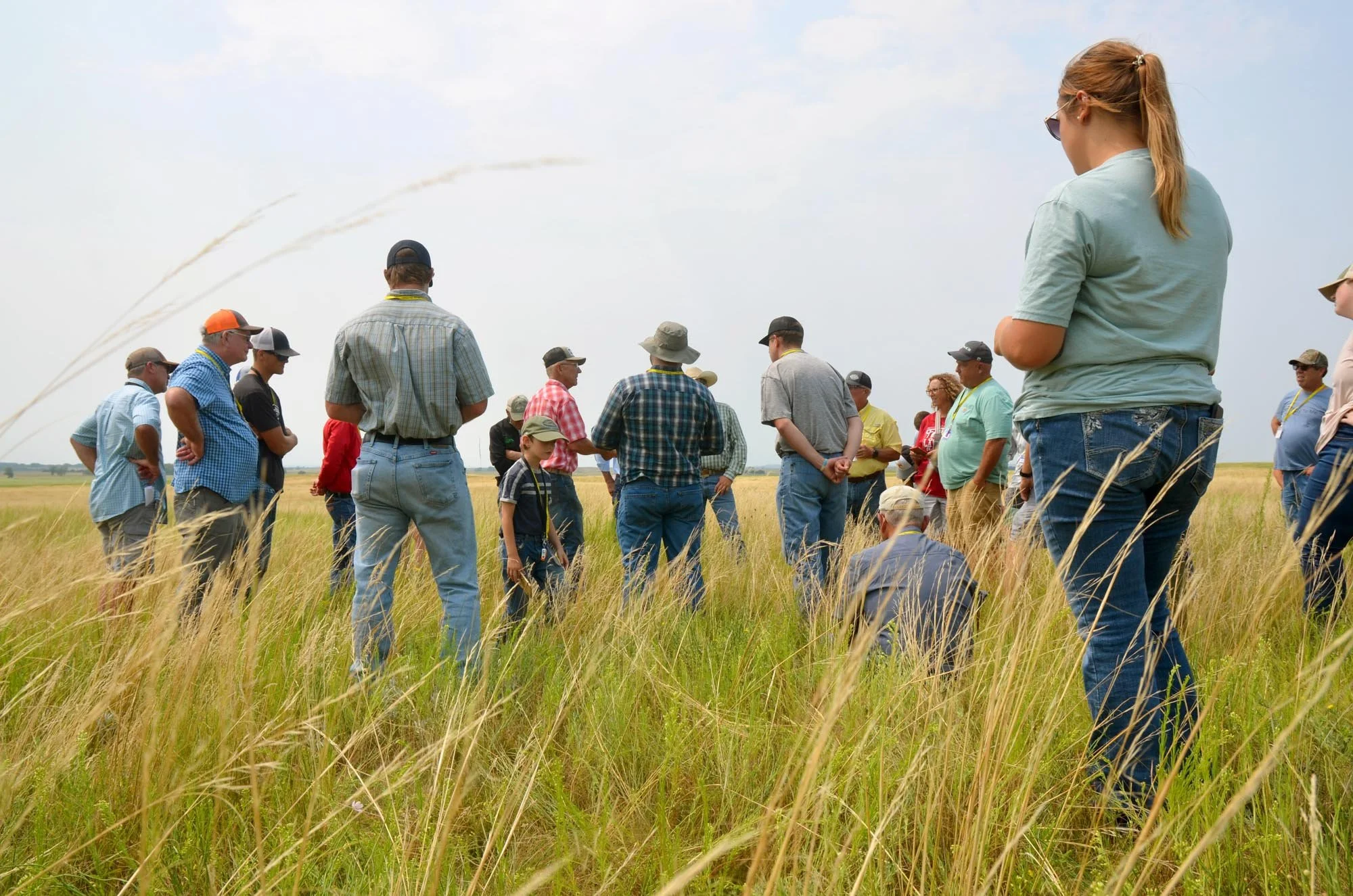
Connecting Policy, Research, and Producers
RIPE's policy work does not happen in isolation. Our Steering Committee, drawn from the broader RIPE coalition, helps shape our policy priorities by bringing the perspectives of producers, trade associations, and agricultural leaders from across the country. Their input ensures that what we advocate for reflects the real needs and realities of working farms and ranches.
Our policy proposals are also grounded in RIPE's ecosystem services research, which helps quantify the environmental benefits created through regenerative practices and provides the evidentiary foundation for fair and effective compensation frameworks.
Together, these connections ensure our policy work remains anchored in both science and real-world agricultural experience.
Learn More About:
-
Our Coalition and Steering Committee
-
Ecosystem Services Research Methodologies
-
How to Support RIPE’s Work

Support Producer-Led Conservation
Supporting RIPE means supporting policies that empower farmers and ranchers, protect the land and communities they depend on, and build a more resilient agricultural system for the future.
HOME
APPROACH
PEOPLE
MEDIA
Stay Connected
Privacy Policy
Rural Investment to Protect our Environment (RIPE) is a 501c(3) organization working to advance a fair value for voluntary agricultural stewardship. Our leadership & coalition members are located across the United States, and we maintain our charter office in Washington DC.